
TUCSON HOME MAINTENANCE
Monsoon Dangers to Look Out For
A monsoon storm can expose a small weakness in a home very quickly. Preparing before the clouds build—and recognizing changes afterward—can help you respond before a repair grows into a larger project.
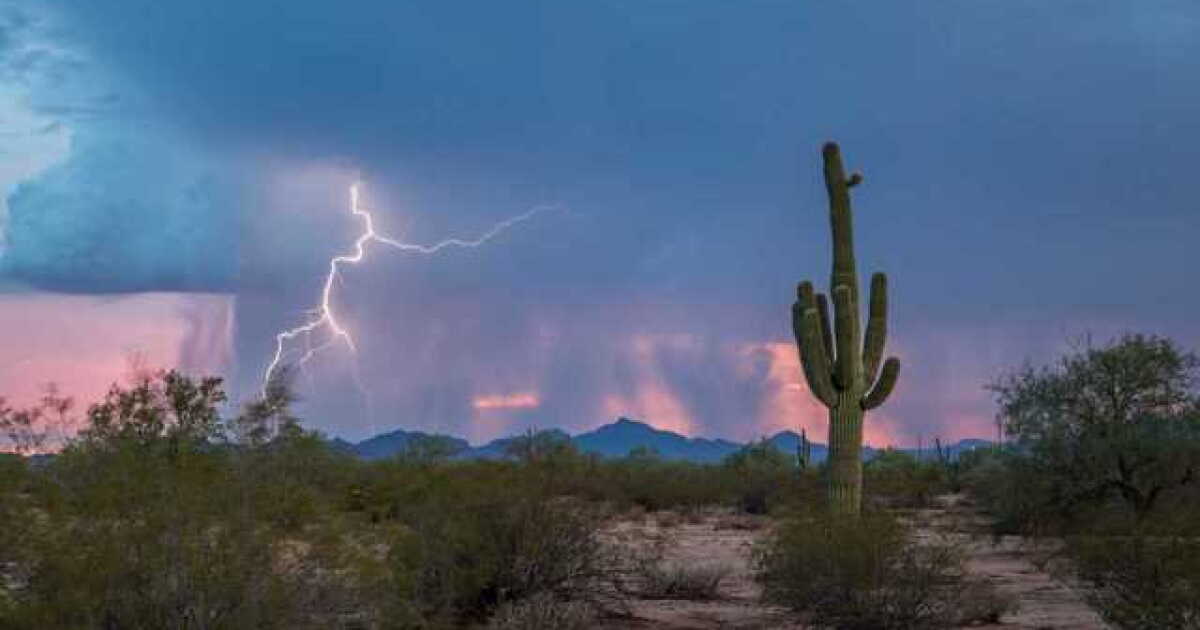
Why Tucson homeowners need a storm plan
The National Weather Service defines the Southwest monsoon season as June 15 through September 30. Heavy rain, sudden downburst winds, lightning, and flash flooding are among its hazards. Around Tucson, runoff can reach washes from storms farther away, even when rainfall at your home seems limited. NWS Tucson monsoon safety guidance.
Check the paths water can take
Look beyond the roof’s main surface. Water can enter at damaged flashing, roof penetrations, window openings, and other transitions. On low-slope roofs, blocked outlets can interfere with drainage. At ground level, debris or poor drainage can allow water to collect near the house.
Signs to report: a new ceiling stain, bubbling paint, damp trim, swollen flooring, water marks near a doorway, or recurring pooling beside the foundation. These signs need investigation; they do not establish the source by themselves.
Before a storm: arrange roof and drainage maintenance, keep accessible ground-level drainage paths clear, and have recurring pooling evaluated. Do not redirect runoff onto neighboring properties or block established drainage routes.
Watch for wind and impact damage
Loose roofing, unsecured outdoor furniture, and vulnerable branches can become damage sources. Wind or falling debris may affect roofing, windows, patio covers, and fences.
Signs to report: missing roof pieces, shifted tiles, damaged metal edges, broken glass, a new tree lean, or movement in a patio structure. Photograph what you can see from a safe location.
Before a storm: secure loose outdoor items and ask a qualified arborist about damaged or overhanging limbs. Have loose building components repaired. Leave roof access and elevated work to qualified professionals.
Do not assume desert heat will dry the inside of a wall
Wet insulation, drywall, and flooring can retain moisture after the room looks dry. A musty smell or recurring discoloration deserves attention. Fix the water source and assess affected materials before repainting.
The EPA recommends drying water-damaged areas and items within 24–48 hours to help prevent mold growth. That is a prompt-action goal, not a guarantee that every wet assembly can be safely dried in place. For contaminated floodwater, extensive damage, or suspected hidden mold, get appropriate professional help. EPA moisture and mold guidance.
Know when to stop inspecting and get help
If you see a sagging ceiling, major structural movement, a downed power line, or water around electrical equipment, keep away. Do not touch wet electrical devices or enter standing water to reach a panel. Call emergency services for immediate danger and the utility for damaged utility lines. Do not climb onto the roof or attempt repairs during a storm.
Follow weather warnings and evacuation instructions. Never walk or drive through floodwater, and keep children away from washes and drains. When thunder is audible, move into a substantial building; a covered patio is not adequate lightning shelter. Review local storm safety guidance.
After the storm: a simple homeowner checklist
- Wait until conditions are safe and check for immediate hazards first.
- From ground level, note visible changes to the roof, trees, windows, and exterior.
- Check accessible indoor rooms for new moisture, stains, or odors.
- Document damage and contact your insurer about its reporting process.
- Arrange assessment and necessary drying or repairs promptly. Keep records of the findings and work.
Common questions
Can preparation prevent all monsoon damage?
No. Maintenance can address preventable weak points, but severe weather can overwhelm a well-maintained home. An emergency plan remains essential.
Should I wait for another storm to confirm a leak?
A new stain or wet area is reason to investigate now. Record when it appeared and where you saw moisture; that information helps the professional assessing the source.
Can Platinum Builders help with repairs?
Once the property is safe, contact Platinum Builders LLC to discuss roofing, exterior, and construction repair needs. Emergency rescue, utility hazards, and specialized contamination cleanup need the appropriate emergency responders or specialists first.
Discuss Property Repairs